



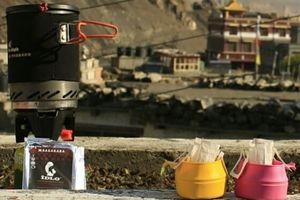

Do you know what cleaning up trash, helping others, doing sports, hiking in the mountains, and delicious food have in common? It's a neurotransmitter called "dopamine," which belongs to the so-called "happiness hormones" and is responsible in our brain for motivation, feelings of pleasure, or even euphoria. How this works and what, for example, food for tourists has to do with it – further in this article.

Let's start with cleaning up trash. The war against excess waste officially began in 1874 in Nottingham, England, where the world's first waste incinerator was built. Even then, the pedantic British understood that despite all the "perks," the industrial revolution could literally bury us under tons of rubbish. If all major cities and progressive countries had done the same simultaneously, life would be much better now. But in fact, with each passing year, it becomes increasingly difficult for humanity to hold the "defense".


Perhaps our planet would already be a large landfill today, like in the movie Wall-E. But in the early 90s, first Europe and then the USA went on the counteroffensive. The new strategy was called extended producer responsibility. That is, whoever produces something must bear full responsibility for the recycling and disposal of their own products after consumption. Germany, France, and Sweden were the first to take this path. North America went further and launched the Leave no trace movement, which proposed to divide responsibility also among the end consumer. Actually, this helped many people finally find new meaning in the fight for a clean planet. Namely: by taking care of your own health and the environment in which you live, you can become not only much happier but also healthier. How? It has been scientifically proven that people who regularly release dopamine get sick 16% less often.

Eventually, an entire philosophy was born, the outpost of which became a new eco-trend called plogging. Its adherents don't just collect garbage – they organize competitions where the winner is the one who not only reaches the finish line first but also collects more waste. Interestingly, Ukrainians went further and continued similar activities on the water, calling it aquaplogging. In particular, in the summer on Kyiv's water bodies, you can get free kayak or SUP board rental provided you bring a bag of trash collected from the water. In addition, Ukrainian IT specialists have developed a free application called Sortuy (Sort), which makes it easy to determine the type of waste and how to sort it. So, you, as a person who loves the mountains and cares about the cleanliness of the Carpathians, have a ready-made philosophy and a tool to become a little happier.


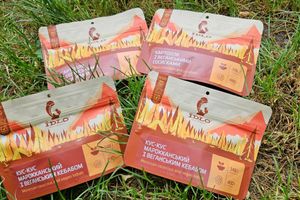
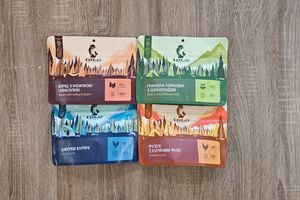
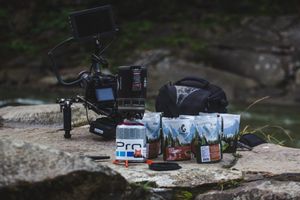
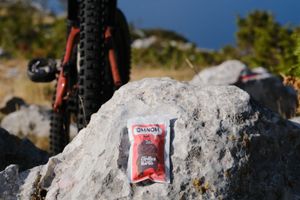
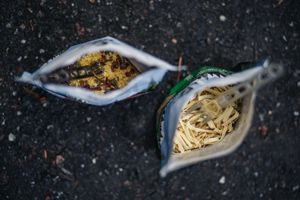
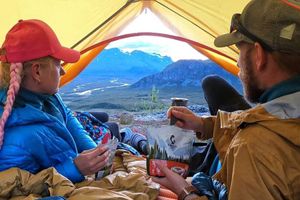
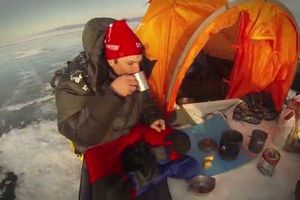
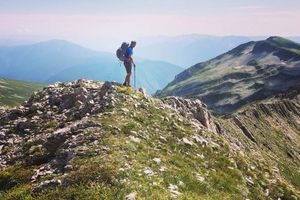
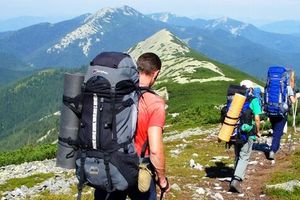
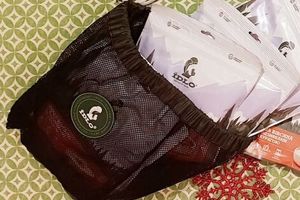
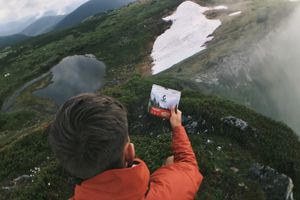
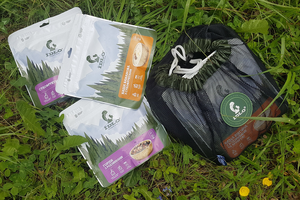
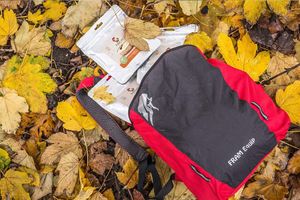
But this is only one link in the dopamine cycle. ЇDLO, as a responsible manufacturer, has adapted, expanded, and perfected it. After all, you should already know that dopamine is produced when a person sets goals and achieves them. This happens both during a regular hike in the mountains and during sports trails and contests. The next dopamine release occurs during food consumption. Here you have a combo, because instant food gives you tasty and satisfying pleasure in just 10-15 minutes. The third level comes when you put the empty food packaging in your backpack with the understanding that you have left a clean environment behind you. And finally, the "control" dopamine release occurs when you pick up packages similar to ЇDLO's on the route and take them with you. And finally: with the collected packages, you come to one of the collection points for used doy-pack packaging and exchange them for a new package of food for tourists. The cycle is complete!

By the way, the promotion to exchange used packages has been running since July 2020. During this time, over 7,500 doy-packs have been collected, that's almost 400 people who have received an enhanced dose of dopamine. So, we have an entire army of happier and healthier people who, we are sure, will continue to make this world a better place. Join us!