











Freeriding captivates anyone who has ventured beyond the ski slopes and experienced the thrill of gliding through powdery snow. It feels like a moment of freefall - except there’s no fear, no panic, and the heart skips only from joy. Just seconds ago, you were navigating hard, icy, or rough terrain, trusting your edges for control, and suddenly… you’re levitating. That’s how the brain records its first freeride experience.

Of course, everyone’s experience differs. Freeriding isn’t for everyone. For many, life off the groomed trails means digging out skis or snowboards, getting covered in snow, and enduring playful jabs from friends. Sounds familiar? Even seasoned freeriders sometimes struggle to distinguish whether they’re freeriding or venturing into backcountry. The line between the two is blurred, more easily felt with your legs and body than understood with your mind.

The Freeride Birth

Freeriding encompasses everything that happens in the mountains beyond groomed slopes. Even weaving through trees where the snowcat couldn’t reach counts. It begins when the boundaries of the ski area feel too confining. With time, these off-piste excursions grow longer and more frequent, leading to adventures that might end with rescue missions - or you being the one rescued.

Here lies the distinction between freeride and backcountry freeriding.

Where’s the Line?

Freeriding happens near or on a resort where you still enjoy the conveniences of civilization: chairlifts, warm meals, and shelter. Your energy is spent entirely on descents and occasional recoveries from falls. When tired, you can retreat to a cozy restaurant for a hearty, albeit not always healthy, meal.

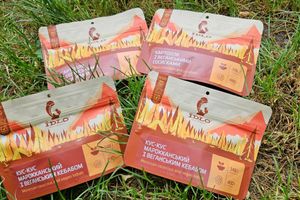
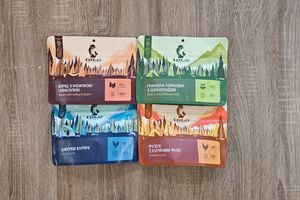
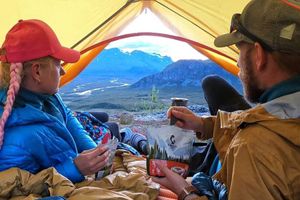
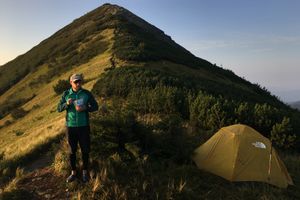
Backcountry freeriding, however, involves more hiking than skiing. You may spend hours navigating dense forests, contemplating wolves, rescuers, or even mythical creatures. At this stage, carrying compact, calorie-dense, and easy-to-eat food becomes essential.

Preparation for Freeriding

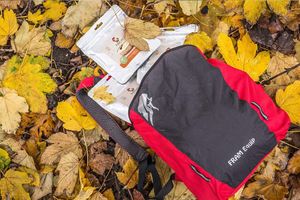
Freeriding demands proper equipment and knowledge. Essential skills include understanding avalanche risks, using safety gear, and reading weather maps. As for gear, freeride skis or snowboards are typically longer and wider. Clothing should differ from resort wear: a shell jacket and pants without insulation paired with a fleece or lightweight down layer offer greater comfort. A reliable backpack is a must, and knowing what to pack is equally critical.

Energy Expenditure in Backcountry Freeriding

It’s impossible to predict the calories you’ll burn during a day of freeriding. Starting your day with a high-calorie breakfast will fuel your first few hours. But what happens when you’re far from civilization with only snow and trees around?

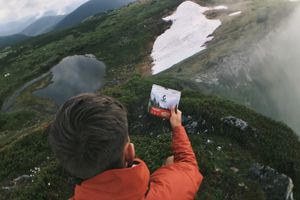
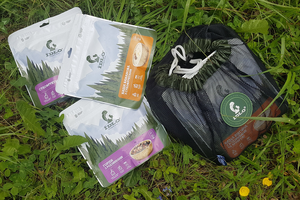
In the past, chocolate and nuts were go-to snacks. Chocolate provides fats (cocoa) and carbs (sugar), while nuts supply amino acids. Although some manufacturers tried combining them into nougat bars, freezing temperatures made them hard to eat. Today’s energy bars, enriched with fruits, seeds, and nuts, offer improved texture and greater nutritional value.

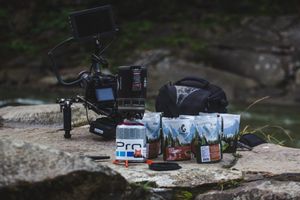
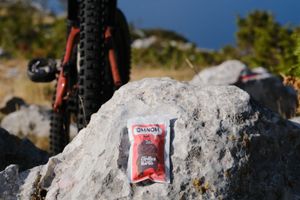
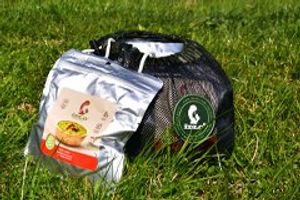
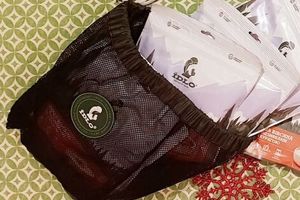
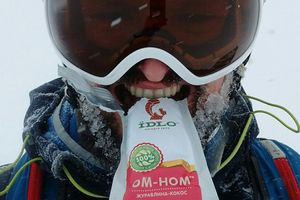
The ideal ratio of proteins, fats, and carbs is 1:1:4, though carbs may dominate during intense activity. By focusing on energy bars, you can sustain yourself throughout the day. Notably, the OMNOM energy bar doesn’t freeze, crumble, or lose its form in your pocket, offering a convenient and tasty option with 12 different flavors.

Where to Freeride in Ukraine

The Carpathians are ideal for backcountry freeriding. Most resorts sit below 1,400 meters and have limited infrastructure. Freeriders often explore tree lines and forests. For high-altitude access, Dragobrat, dubbed the “Mecca of Ukrainian freeriding,” is the best option. Situated on the Svydovets Ridge, it offers unique ski touring opportunities despite frequent winds and fog.

The neighboring resorts of Pylypets and Podobovets on the Borzhava Ridge are slightly lower but more accessible and beginner-friendly. However, Borzhava, despite its initial charm, can be treacherous. Getting lost is easy, and finding your way back can be challenging. Beginners often rely on snowmobiles or snowcats to expand their freeriding terrain, though safety measures by operators are minimal.

Other popular freeriding spots include the Chornohora and Maramureș mountain ranges, which now feature mountain shelters staffed by volunteer rescuers.

Final Thoughts

Freeriding and backcountry freeriding demand preparation, knowledge, and caution. While this article offers a glimpse into the world of freeriding, it’s no substitute for practical experience or proper training. Take an avalanche safety course - held regularly in Ukraine - and remember: safety first!